RAS PRODUCTIONS
Structured Cycles
Standalone Narrative Works
Rien à Sauver (RAS) is a production structure dedicated to narrative music for picture.
WHAT RAS DOES
RAS develops and curates a catalog of contemporary instrumental music designed for film, television, documentary, and visual storytelling.The music focuses on internal states, sustained tension, transitions, and implicit narrative trajectories.It is conceived to support storytelling with restraint and precision, while remaining expressive and fully compatible with dialogue, sound design, and editing.
RAS LANGUAGE
The catalog is built around a coherent musical language rather than stylistic diversity.Core principles:
continuity over effect
transformation over resolution
clarity over impact
Piano often plays a central role within the catalog, appearing as a solo voice, a layered texture, or a structural and temporal reference.It is combined with strings, textures, and electronic elements, forming a flexible and evolving instrumental palette.
RAS CATALOG
RAS functions as a structured catalog, organized by narrative behavior and usage.It includes:
modular pieces for sync and editing
structured cycles developed over time
longer narrative works capable of carrying full sequences
Each work has a clear role and function within the catalog.
RAS MUSIC ATELIER
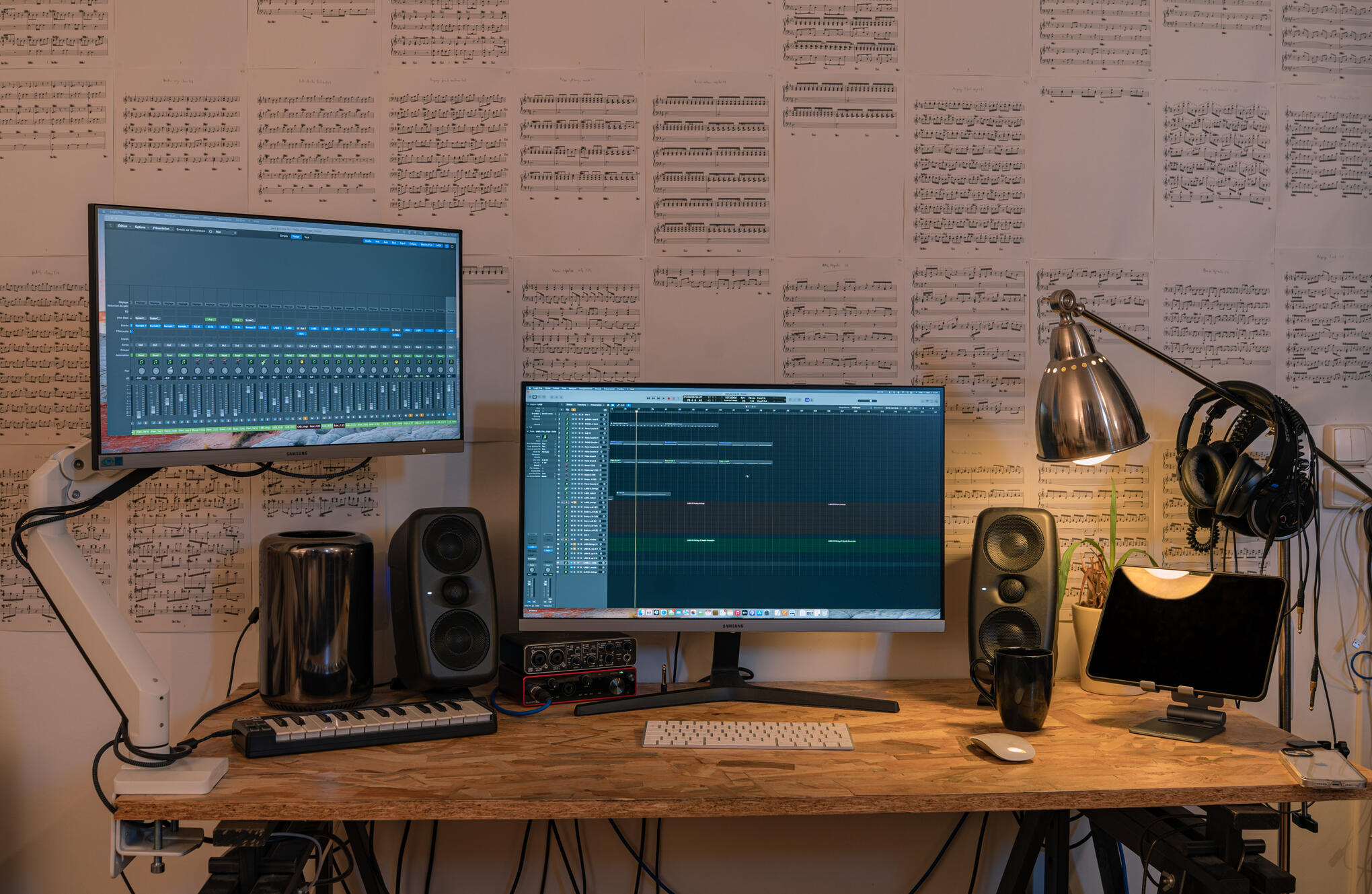
All music is composed and produced within the RAS Atelier.The studio operates as a focused, hands-on environment dedicated to narrative composition for picture, allowing close control over writing, production, and delivery.Depending on the scope and context of a project, RAS can operate fully in-house or collaborate with external partners for additional production stages, mixing, or orchestration.The workflow prioritizes clarity, reliability, and adaptability for professional use.The RAS atelier is based in Paris.
RAS COMPOSER
RAS is initiated and operated by composer Arthur Rey.Arthur Rey develops the catalog with a focus on narrative coherence, long-form usability, and sync-oriented production.He works independently within the RAS structure, handling composition, production, and delivery.
For licensing, sync, or original inquiries:
Structured Cycles
RAS / Week-ends
Week-ends is an ongoing narrative cycle developed over time.
The project is built as a series of cycles:
Each cycle explores the same musical language through different internal structures, durations, and levels of fragmentation.Each cycle functions as a coherent ensemble, while introducing specific compositional constraints and formal approaches.The project includes both complete narrative works and modular
material suitable for editing and sync use
Structured Cycles
RAS / Week-ends
> CYCLE 1 / Long-form narrative piano
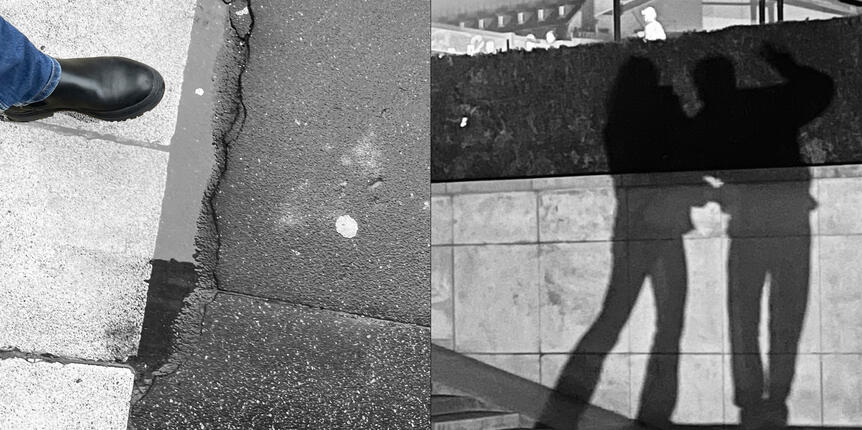
A set of piano-led works developed as extended narrative forms.The pieces favor continuity over segmentation, unfolding
through gradual transformation rather than modular construction. Designed to accompany long-form sequences and sustained dramatic situations.Structure :
Medium to long-form pieces
Piano-centered writing with evolving textures
Continuous development, limited formal repetition
Low emphasis on modularity
Structured Cycles
RAS / Week-ends
> CYCLE 1 / The project
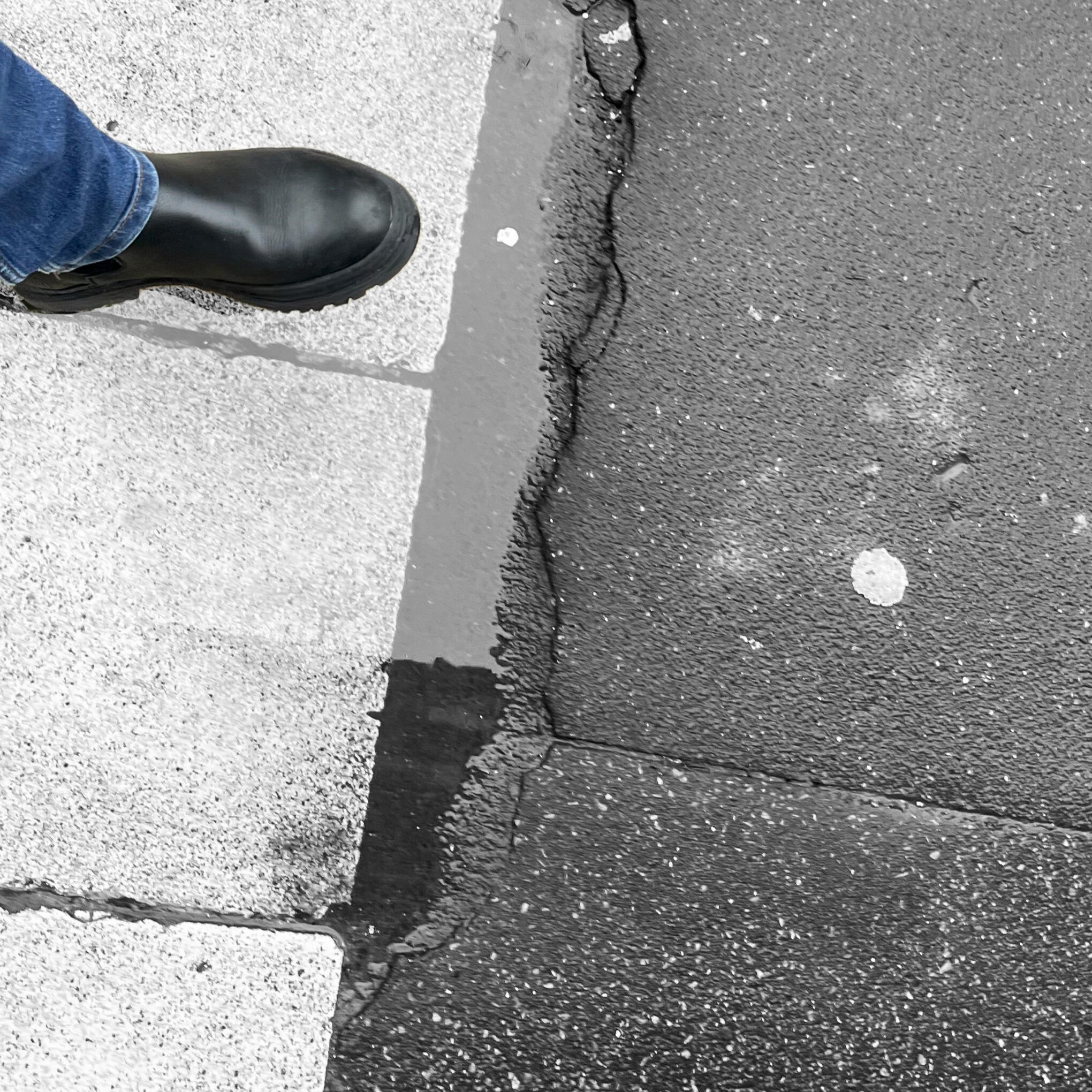
Ces premières pièces ont été composées sans contrainte de durée ni de forme. Le temps de la musique suit ici le temps vécu, sans montage ni découpe préalable.
These early pieces were composed without formal or temporal constraints. The music follows lived time rather than edited structure.
Week-ends 1 & 2
Vendredi soir - 21h57 (Nouvelle notification)
Samedi midi - 12h46 (Ma pizza brûle)
Dimanche I - 8h (Le voisin perce)
Dimanche II - 11h09 (Deuxième réveil)
Week-end 1/12
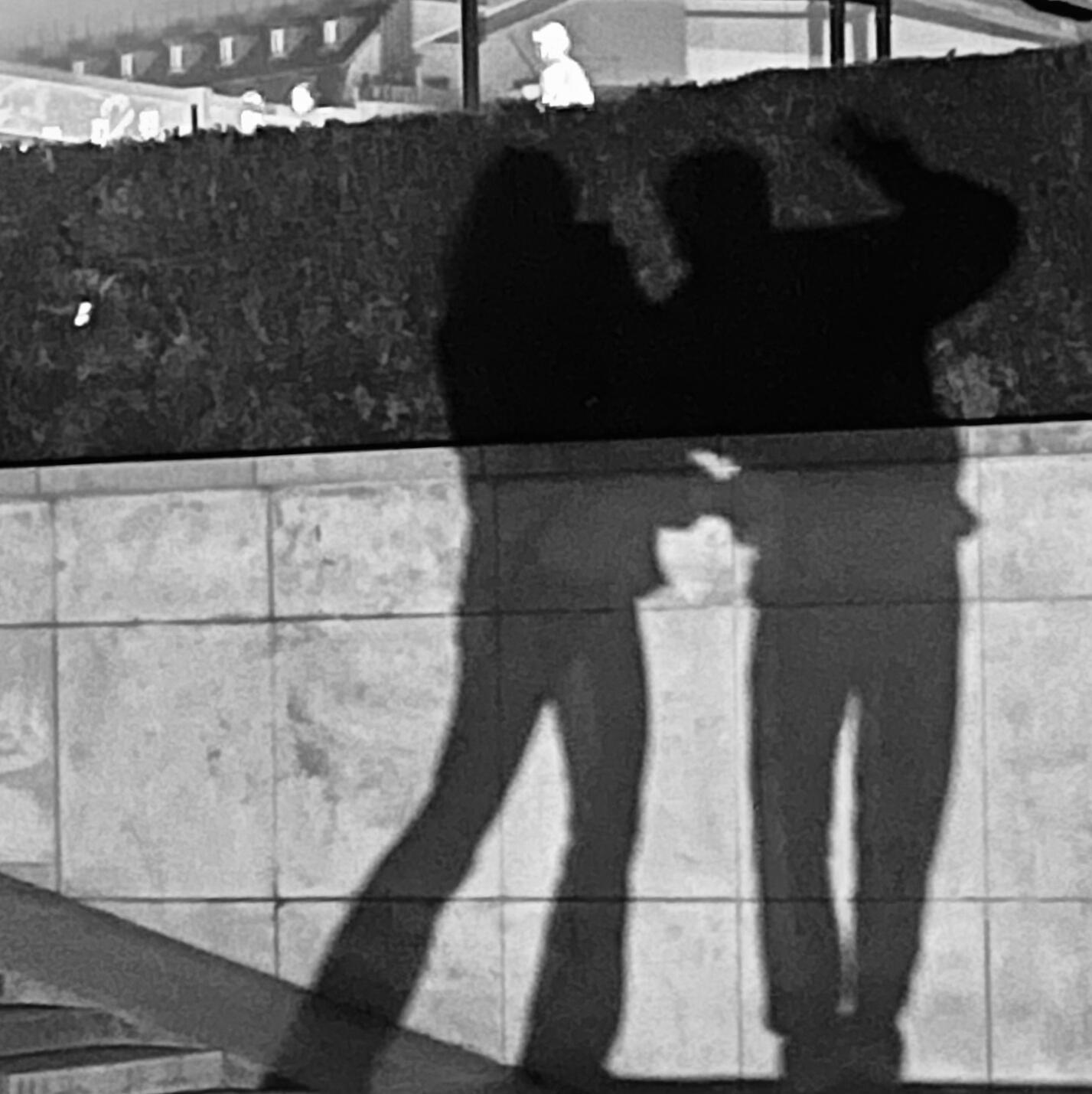
Vendredi - 21h31 (dribble, mayonnaise, but)
Samedi - 3h43 (et c’est pas normal)
Samedi 22h14 - (tribulations d'une crêpe)
Dimanche - matinée (déménagement, alice)
Week-end 2/12
Structured Cycles
RAS / Week-ends
> CYCLE 2 / Fragmented piano miniatures

A set of short piano-based pieces built around fragmentation, internal motion, and repetition. Designed as independent cues that can also function as a continuous narrative sequence.Structure :
Short-form pieces (1'–2’)
Piano-centered, layered piano textures
High internal variation, low harmonic resolution
Individually usable / combinable
Structured Cycles
RAS / Week-ends
> CYCLE 2 / The project
Ce cycle repose sur une contrainte temporelle et formelle plus précise.
Les pièces sont conçues comme des fragments autonomes, inscrits dans un même flux, et répartis sur une journée fictive.
La musique privilégie la répétition, les micro-variations et la continuité, laissant apparaître une narration implicite sans découpe explicite.
This cycle is built around a more defined temporal and formal constraint. The pieces function as autonomous fragments, distributed across a shared flow and structured around a fictional day.
The music favors repetition, micro-variation, and continuity, allowing an implicit narrative to emerge without explicit segmentation.
Séquence visuelle — 3, 4, 5
Visual sequence — 3, 4, 5
Première fuite, 10h52.
Week-ends 3, 4, 5, 6 & 7-8
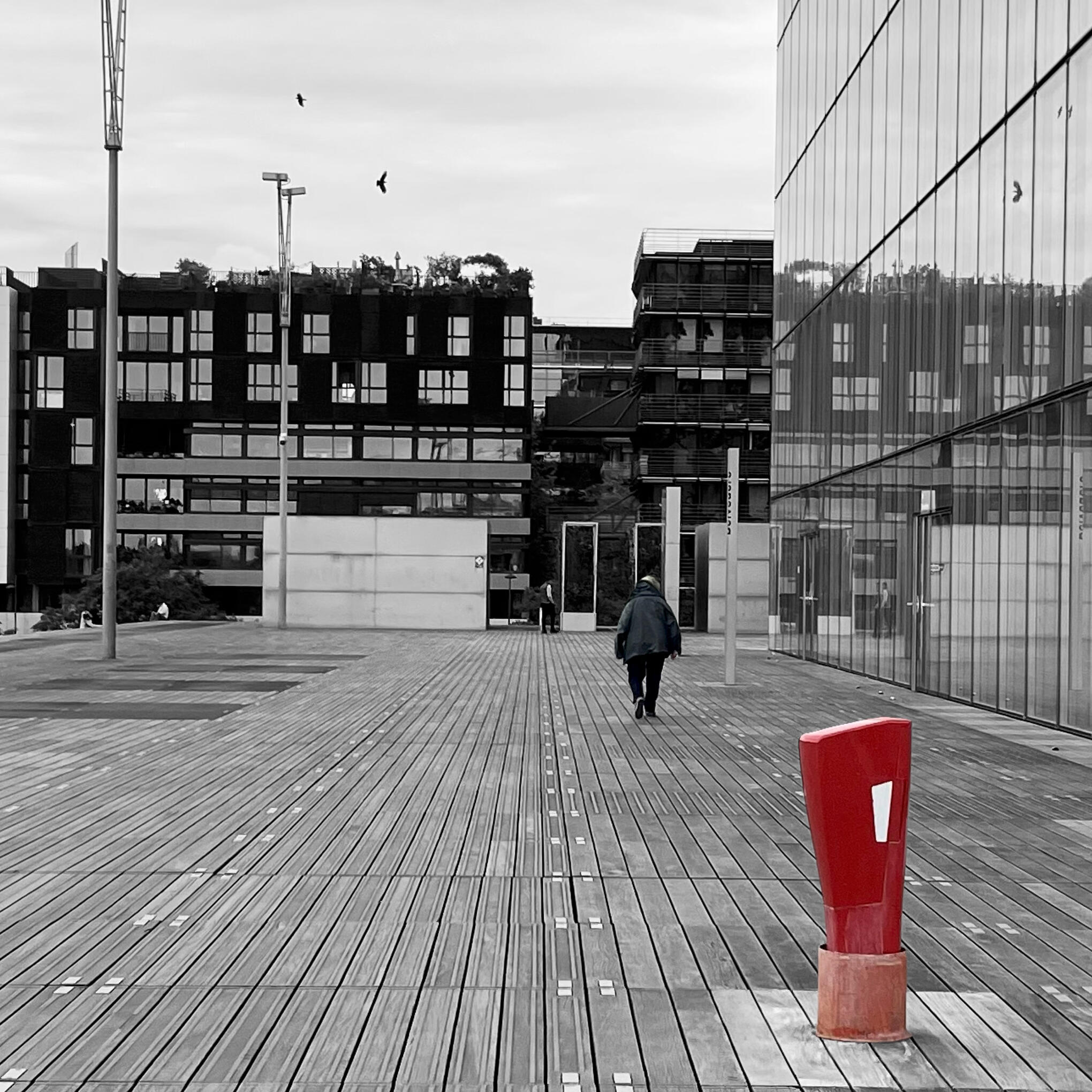
Samedi 1 - 10h52 (fuite 1)
Samedi 1 - 11h08 (fuite 2)
Samedi 1 - 11h38 (fuite 3)
Samedi 1 - 12h30 (fuite 4)
Week-end 3/12
Samedi 2 - 14h02 (fuite 5)
Samedi 2 - 15h08 (fuite 6)
Samedi 2 - 15h43 (fuite 7)
Samedi 2 - 16h49 (fuite 8)
Week-end 4/12
Samedi - 10 h (cette heure est symbolique, fuite 11)
Samedi - 10 h (vous ressentez une incohérence, fuite 12)
Samedi ou dimanche (ça n’a plus aucune importance, fuite 13)
Week-end 5/12 (j’ai triché, fuite 14)
Fuite 13 & 14 (5/12 final)
Week-end 5/12
Samedi 2 - (fuite 9)
Samedi 1 - (fuite 10)
Un autre samedi - (fuite vers une autre)
Le même samedi - (dernière fuite)
Week-end 6/12
Samedi - 11h27 (flânerie entre les toiles)
Dimanche - 19h32 (1,2,3, dîner)
Week-end 7-8/12
Séquence visuelle — 3, 4, 5
Fragments, découverte chronologique
10h52
11h08
11h38
12h30
14h02
15h08
15h43
16h49
Séquence complète, antéchronologique
Structured Cycles
RAS / Week-ends
> CYCLE 3 / Modular narrative blocks
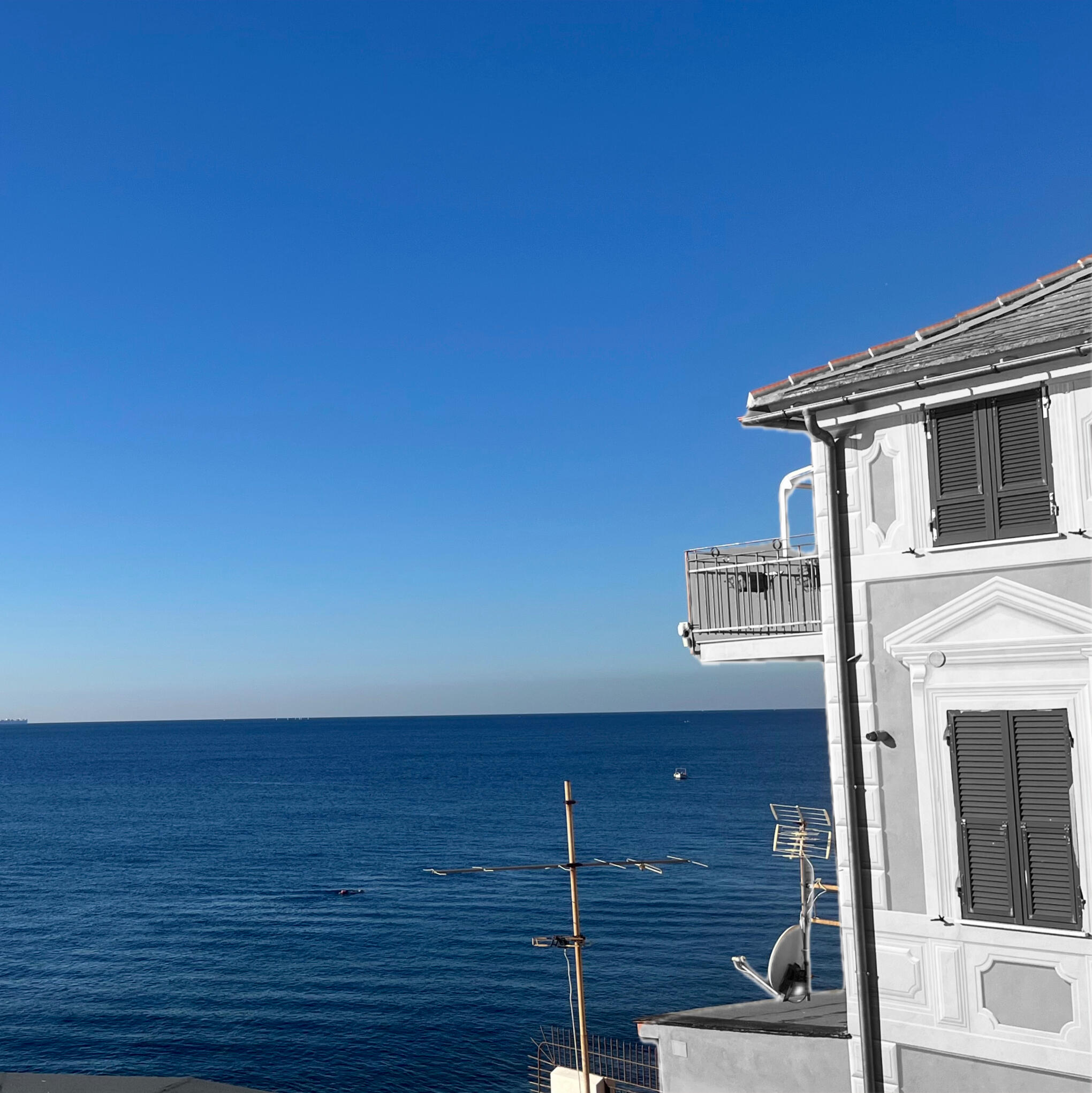
A modular narrative cycle built around “parent” pieces that can be detached into independent blocks (I/II/III).Each EP functions both as a coherent arc and as a set of standalone sections designed for editing and sync use.Structure :
Parent + blocks architecture
One parent piece per EP
Independent blocks (I / II / III)
Dual reading: parent arc/ modular use
Broader dynamic and textural range
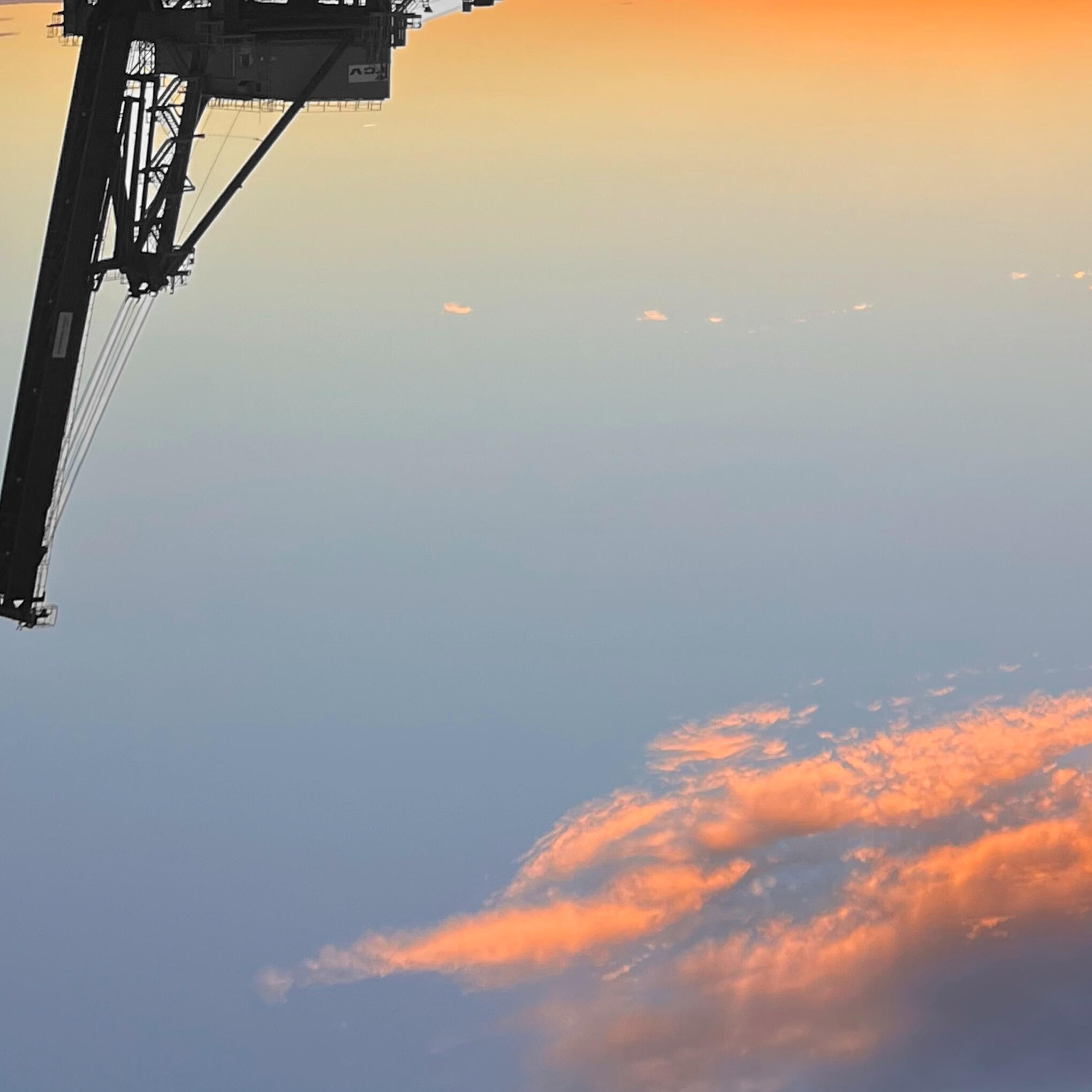
Structured Cycles
RAS / Week-ends
> CYCLE 3 / The project
Ce cycle est construit autour de pièces “parentes”, chacune déployée en blocs autonomes. Chaque EP propose une trajectoire complète, tout en offrant des segments indépendants, pensés pour être extraits, recombinés ou réédités.Le projet explore une écriture plus dynamique et texturale, où la narration peut être suivie dans son ensemble ou fragmentée selon l’usage.
This cycle is built around “parent” pieces, each expanded into independent blocks. Each EP functions as a complete narrative arc, while also providing standalone segments designed to be extracted, recombined, or re-edited.The project explores a broader dynamic and textural range, allowing the narrative to be followed as a whole or fragmented depending on use.
Week-ends 9, 10, 11 & 12
Available on streaming soon
I. Inertie neutre (Week-end 9)
II. Activation lente (Week-end 9)
Week-end 9 : Intervalle anachronique
Week-end 9/12
Available on streaming soon
I. Amorçage (Week-end 10)
II. Cisaillement (Week-end 10)
III. Premier palier (Week-end 10)
Week-end 10 : Intervalle oblique
Week-end 10/12
Available on streaming soon
I. Abaissement (Week-end 11)
II. Champ stable (Week-end 11)
III. Second palier (Week-end 11)
Week-end 11 : Intervalle établi
Week-end 11/12
Available on streaming soon
I. Nivellement (Week-end 12)
II. Continu (Week-end 12)
III. Dernier palier (Week-end 12)
Week-end 12 : Dernier intervalle
Week-end 12/12
Standalone Narrative Works
RAS / Amont

Amont
Amont est une composition narrative autonome, construite autour d’une trajectoire linéaire claire, avec une montée progressive et un climax contenu.Le morceau traverse une tension interne maîtrisée, un moment central de suspension, puis une affirmation finale qui stabilise l’état émotionnel sans le refermer.Le piano y constitue l’axe structurel, progressivement élargi par des cordes et des textures atmosphériques, au service d’une gravité, d’une détermination intérieure et d’un mouvement narratif d’ouverture.
Amont is a foundational narrative composition built on a clear, linear trajectory with a controlled rise and a restrained climax.The piece unfolds through progressive internal tension, a central moment of suspension, and a final affirmation that stabilizes rather than resolves the emotional state.Piano serves as the structural backbone of the work, gradually expanded by orchestral strings and atmospheric textures to create a sense of calm gravity, inner determination, and forward movement suited to the opening of a narrative arc.
Private listening links available on request.
Standalone Narrative Works
RAS / Dévers

Dévers
Dévers est une composition narrative à flux continu, construite sur un mouvement intérieur soutenu plutôt que sur le contraste ou la rupture.Le morceau progresse par bascules internes successives: suspension, respiration fragile, intensification contenue, puis coda inversée; sans catharsis ni résolution franche.Un motif de piano persistant agit comme axe structurel, entouré de cordes, de couches graves et de textures atmosphériques qui installent une gravité calme, une ambivalence émotionnelle et une sensation d’inertie.
Dévers is a continuous-flow narrative composition built around sustained inner movement rather than contrast or rupture.The piece evolves through gradual internal shifts — suspension, fragile breathing, contained intensification, and an inverted coda — maintaining tension without catharsis or clear resolution.A persistent piano loop acts as a structural axis, surrounded by orchestral strings, low-end layers, and atmospheric textures that reinforce a sense of gravity, ambivalence, and emotional inertia.
Private listening links available on request.
Standalone Narrative Works
RAS / Radier
Radier
Radier est une composition narrative de seuil, construite autour d’un état de suspension prolongée et d’une montée dramatique progressive.Le morceau suit une trajectoire en deux temps — ouverture introspective et suspendue, puis intensification contenue — en maintenant la tension jusqu’à la fin.Le piano y agit comme point d’ancrage instable, relayé progressivement par les cordes, les couches graves et les textures atmosphériques, qui portent la pression dramatique vers un climax maîtrisé et maintenu.
Radier is a narrative threshold composition built around sustained suspension and progressive dramatic escalation.The piece follows a clear two-part trajectory — from an introspective, suspended opening to a controlled intensification — maintaining continuous tension.Piano establishes harmonic instability as a structural anchor, while orchestral strings, low-end layers, and atmospheric textures progressively assume the dramatic role, driving the music toward a focused, forward-held climax.
Private listening links available on request.
Standalone Narrative Works
RAS / Un (autre) récit
Un (autre) récit
Un (autre) récit est une pièce narrative autonome, construite autour d’une trajectoire émotionnelle non linéaire.Le morceau traverse plusieurs états internes (introspection, mise en mouvement, suspension, puis activation narrative) avant de trouver son sens dans une dernière section affirmée.Le piano y tient un rôle central, soutenu progressivement par des cordes et des textures discrètes, au service d’un récit implicite pensé pour l’image.
Un (Autre) Récit is a narrative-driven composition built around a non-linear emotional trajectory rather than a traditional crescendo structure.The piece moves through successive internal states — introspection, motion, suspension, and narrative activation — before resolving into a clear, forward-moving final section.Centered on piano as the primary narrative voice, the composition gradually expands through subtle string writing and textural layers, reaching a defined tonal affirmation only in its final act.Designed to support visual storytelling, Un (Autre) Récit is particularly suited to scenes involving emotional transition, discovery, or the beginning of movement.